Your First Will – Questions to Help You Get Started

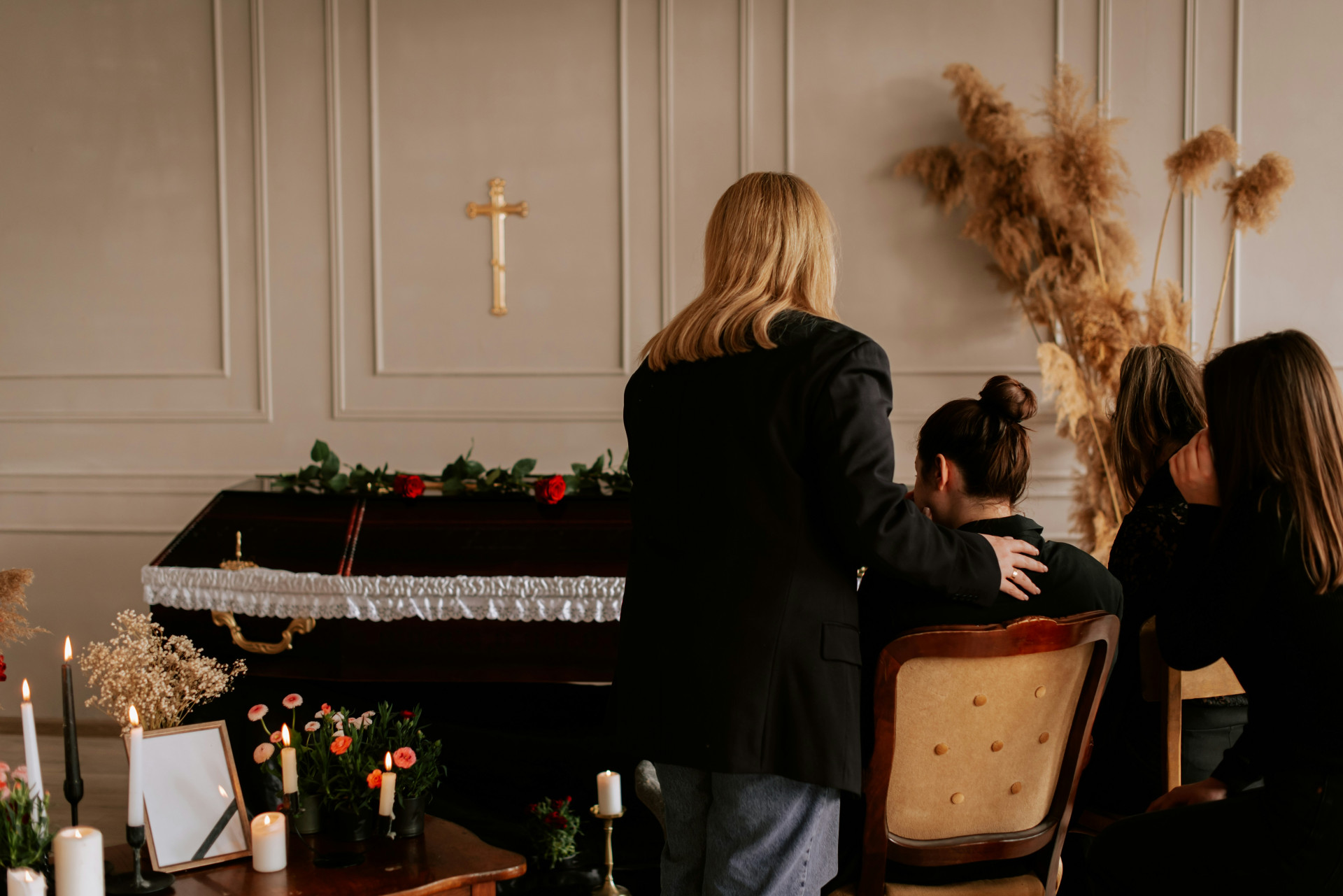
Your First Will – Questions to Help You Get Started
Writing your first will can feel like a big and somewhat uncomfortable task. But in reality, it’s about taking responsibility—for yourself and for the people you care about. A will gives you peace of mind because it clarifies how your assets, values, and wishes should be handled when you’re no longer here. Below are some questions to help you start thinking about what your will should include.
Why Write a Will at All?
Many people assume that a will is only necessary if you have a large estate or complicated family situation. That’s not the case. A will is useful for anyone who wants to have a say in how their property is distributed or who wants to make sure certain people or organizations are included.
A will can also help prevent conflicts among your loved ones. When your wishes are clearly written down, there’s less room for misunderstanding or disagreement. It’s a way to take care of both your values and your relationships.
Who Should Inherit from You?
The first question to ask yourself is: Who do I want to inherit my assets? If you don’t have a will, your estate will be distributed according to your state’s intestacy laws. Typically, that means your spouse and children inherit first, followed by parents and siblings. But you may want a different arrangement—perhaps you’d like to leave something to a partner you’re not married to, a stepchild, or a close friend.
You might also consider leaving part of your estate to a charitable organization. Many people choose to support a cause they care deeply about as a way to let their values live on.
What Makes Up Your Estate?
A will isn’t just about money. It can also include personal belongings with sentimental value—jewelry, artwork, furniture, or family heirlooms. Think about who would appreciate each item and make a note of it. This can be a great help to your loved ones later on.
If you own real estate, a business, or investments, it’s wise to seek professional advice. There may be tax or legal considerations that affect how your estate should be distributed most effectively.
Who Will Carry Out Your Wishes?
Your will can also include practical decisions. You can name an executor—the person responsible for ensuring your wishes are followed. This could be an attorney, a trusted friend, or a family member.
If you have minor children, you should also decide who would become their guardian if you pass away before they reach adulthood. It’s a difficult thought, but making that decision now can provide security for both you and your family.
How Do You Want to Be Remembered?
A will can also include personal touches. You might want to write a letter to your loved ones, share your values, or express your hopes for their future. Some people create a legacy folder that includes not only their will but also practical information about funeral preferences, music choices, and important contacts.
These personal notes aren’t legally binding, but they can be a meaningful way to leave a final message—a reflection of who you were and what mattered most to you.
Læs også:


Should You Get Help Writing It?
You can write your own will, but it’s generally recommended to consult an attorney to make sure it meets all legal requirements. In most states, a will must be signed in front of two witnesses, and some people choose to have it notarized for extra assurance. An attorney can also help you phrase your wishes clearly and avoid ambiguities that could cause problems later.
It doesn’t have to be expensive, and many people find that talking with a professional makes it easier to address the difficult questions.
A Living Document
A will isn’t something you write once and forget about. Life changes—you might have children, get married, move in with a new partner, or buy a home. It’s a good idea to review your will every few years and update it if your circumstances or wishes have changed.
Writing a will isn’t a sign of pessimism—it’s an act of care. It’s a way to take charge of the future, for your own peace of mind and for the well-being of those you love.
Læs også: