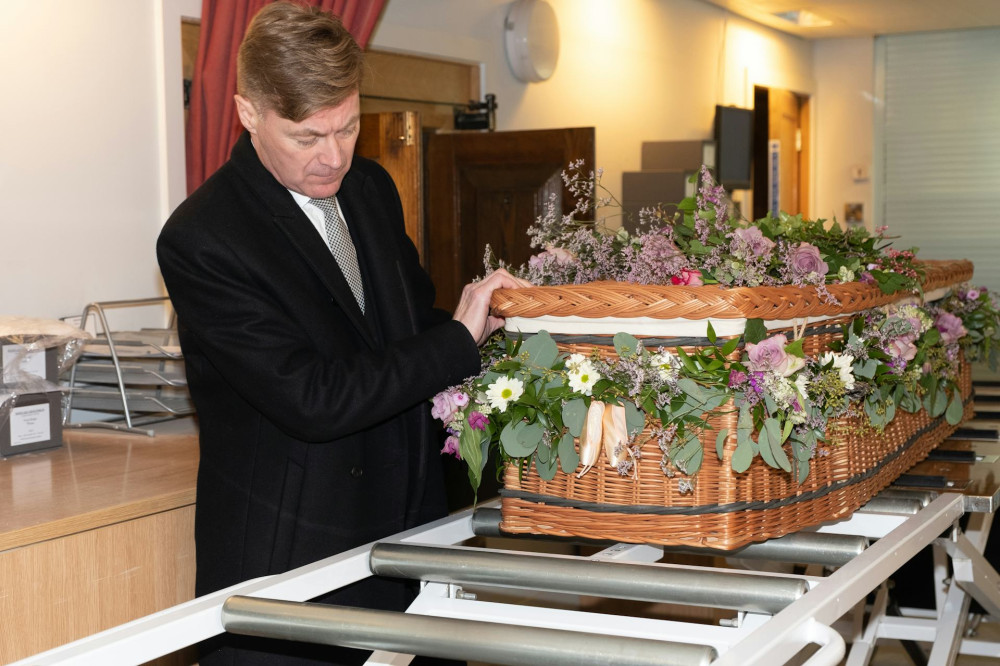
Make Your Wishes Clear: How to Communicate Your Choice About Cremation

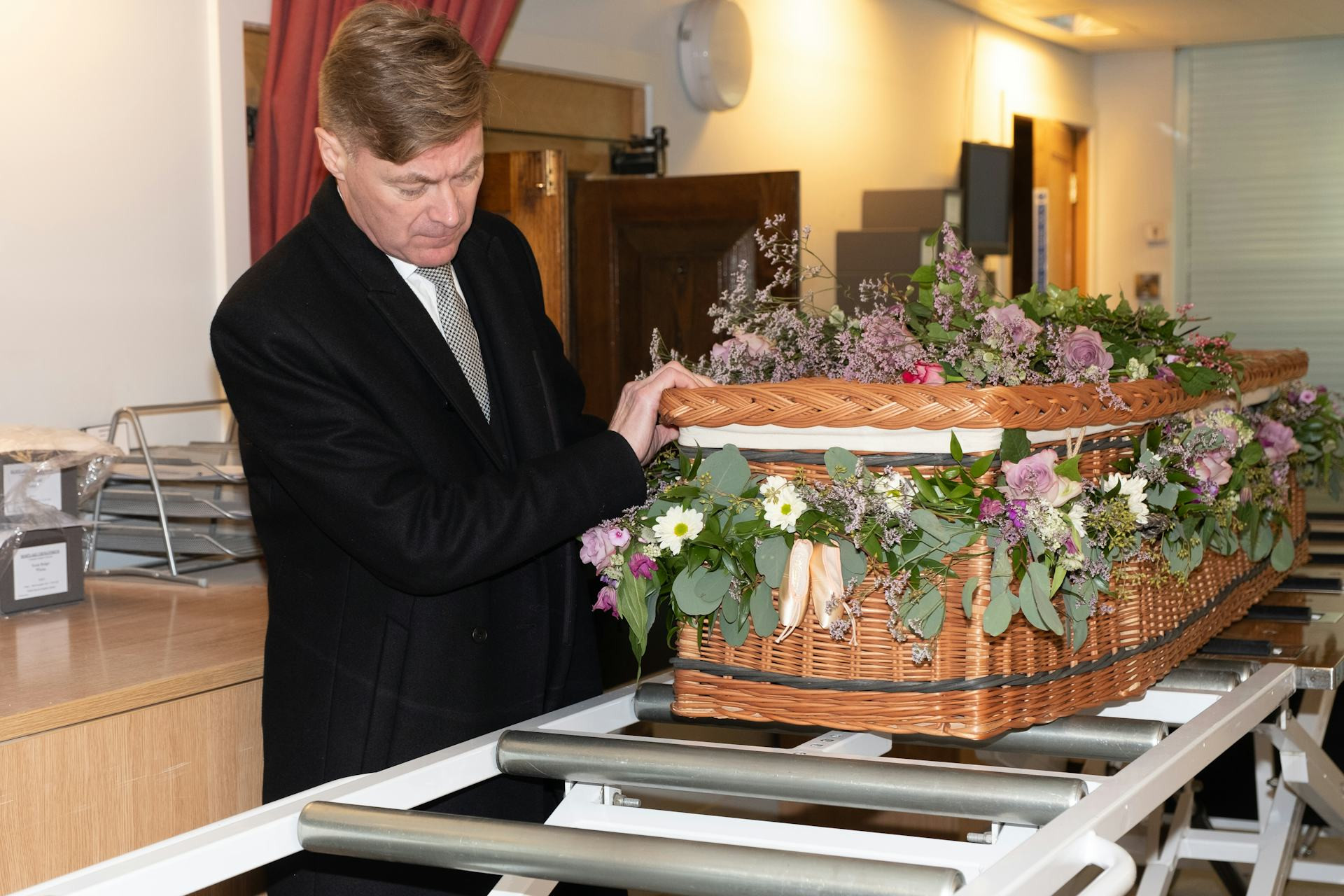
Make Your Wishes Clear: How to Communicate Your Choice About Cremation
Thinking about what will happen after you’re gone can feel uncomfortable—but it’s also one of the most caring things you can do for your loved ones. Making your wishes about cremation clear can bring peace of mind to you and to those who will one day carry out your plans. It’s not just about logistics; it’s about expressing your values and ensuring your choices are understood and respected. Here’s how to make your decision about cremation known and official.
Why It Matters to Decide in Advance
When someone passes away, their family often faces a flood of emotions and a long list of decisions that must be made quickly. If you’ve already made it clear that you want to be cremated, you remove a major source of uncertainty. Your loved ones won’t have to guess what you would have wanted—they can focus instead on honoring your life and saying goodbye in a way that feels right.
Making this decision is also a way to take ownership of your final arrangements. For some, cremation reflects spiritual or cultural beliefs; for others, it’s about simplicity, environmental concerns, or the desire for a specific type of memorial. Whatever your reasons, what matters most is that your choice is known and respected.
How to Make Your Wishes Official
In the United States, there are several ways to ensure your cremation wishes are followed:
- Include your choice in your will or advance directive. You can specify your preference for cremation in your will, living will, or advance directive. Keep in mind that wills are often read after the funeral, so it’s best to communicate your wishes in more than one place.
- Complete a “Final Disposition Authorization” form. Many states allow you to sign a legal document designating what should happen to your remains and who has the authority to carry out your wishes. Check your state’s requirements—some forms must be notarized or witnessed.
- Prearrange with a funeral home or crematory. You can make arrangements directly with a licensed provider, outlining your preferences and even prepaying for services if you wish. The funeral home will keep your instructions on file.
- Tell your family and keep copies accessible. Even if you’ve completed the paperwork, it’s essential that your loved ones know about it and can find it when needed. Store copies in a safe but accessible place, and let someone you trust know where they are.
Review your documents periodically to make sure they still reflect your current wishes.
Talk Openly About Your Decision
Conversations about death can be difficult, but openness can prevent confusion and conflict later. You don’t have to cover everything at once—simply sharing that you’ve thought about cremation and explaining why it feels right for you can be enough to start the dialogue.
Explain what’s behind your choice. Maybe you want your ashes scattered in a meaningful place, or you prefer that your urn be placed in a family plot. When your loved ones understand your reasoning, it’s easier for them to honor your decision.
If starting the conversation feels awkward, you might bring it up naturally—perhaps while discussing estate planning, health care wishes, or after attending a funeral.
Consider the Practical Details
Cremation offers flexibility, and thinking through the details now can help your family later. Consider questions like:
- Do you want your ashes kept in an urn, buried, or scattered in a specific location?
- If you’d like your ashes scattered, have you checked local or federal regulations? (For example, scattering at sea is allowed under certain conditions by the Environmental Protection Agency.)
- Would you like a memorial service, and if so, where and how should it be held?
The more specific you are, the easier it will be for your loved ones to carry out your wishes confidently.
Make Your Wishes Easy to Find
Even the clearest instructions can be overlooked if no one knows where they are. Make sure your family knows where to find your documents and who to contact—whether that’s your attorney, executor, or funeral home. You might also keep a copy with your important papers or in a secure digital file.
It may feel formal, but this step ensures that your wishes are honored, even if you’re no longer able to explain them yourself.
Læs også:




A Final Gift to Those You Love
Deciding on cremation—and making that decision known—is ultimately an act of love. It’s a way to take responsibility for your own farewell and to spare your family from uncertainty during a painful time. When your wishes are clear, your loved ones can focus on remembering you, not on wondering what you would have wanted.
It’s not an easy conversation to have, but it’s one of the most compassionate choices you can make.
Læs også: