From Quiet Goodbyes to Grand Ceremonies: What Different Ways of Saying Farewell Mean for Those Left Behind
From Quiet Goodbyes to Grand Ceremonies: What Different Ways of Saying Farewell Mean for Those Left Behind
When someone dies, those left behind face a series of choices—some practical, others deeply emotional. Should the farewell be small and private or large and public? Should there be music, readings, and flowers, or should it unfold in silence? The way we say goodbye is not only about honoring the wishes of the deceased but also about helping the living find comfort and meaning in their grief.
The Many Faces of Farewell
In the United States today, there are more ways than ever to say goodbye. Some families choose a traditional religious service in a church, synagogue, or mosque, complete with hymns, prayers, and eulogies. Others prefer a secular celebration of life held in a park, a community center, or even a backyard. Some opt for no formal ceremony at all, marking the loss quietly at home with a candle, a photograph, or a moment of reflection.
Whatever the form, the goal is the same: to create a space where life and loss can be acknowledged. Yet the way that space is shaped has a profound impact on how the bereaved experience and process their grief.
The Quiet Goodbye – Reflection and Intimacy
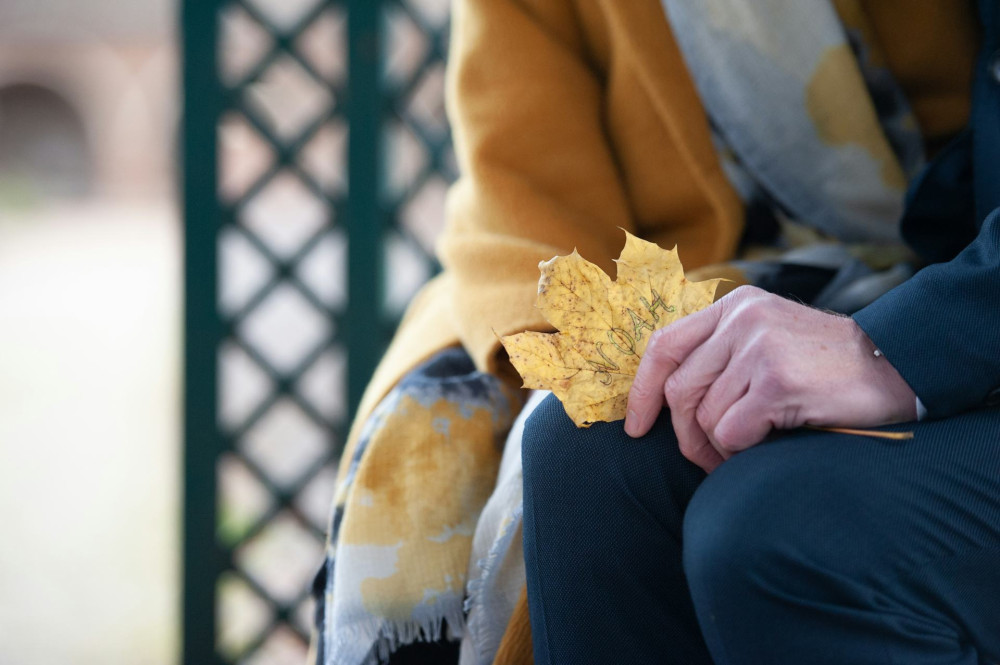
A quiet farewell can offer peace and focus. For some families, it feels right to say goodbye without a crowd or ceremony. It can be a way to protect themselves during a vulnerable time, when the energy to plan or attend a larger event simply isn’t there.
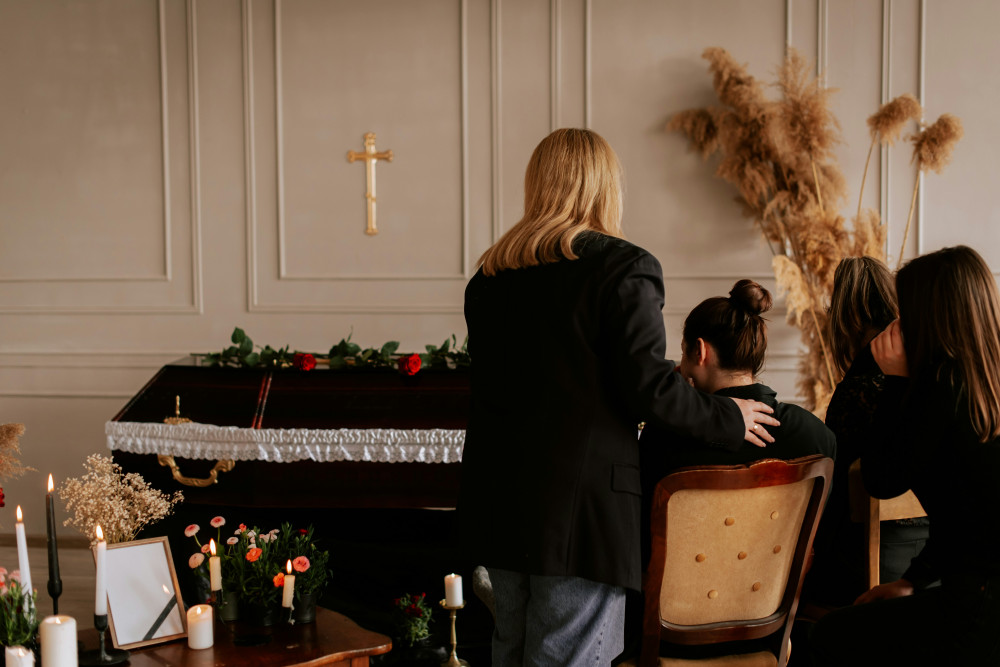
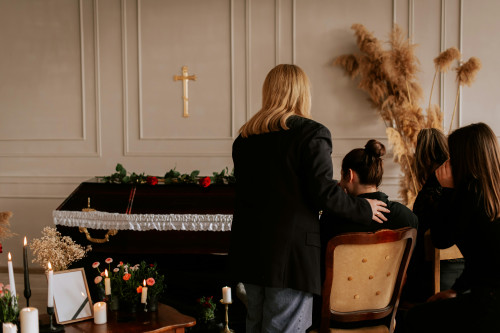
Such intimate goodbyes often center on closeness—on the relationship with the person who has died and the memories that remain. A small gathering, perhaps just immediate family, can create a sense of safety and authenticity. In the stillness, tears and silence can speak more powerfully than words.
The Grand Ceremony – Community and Recognition
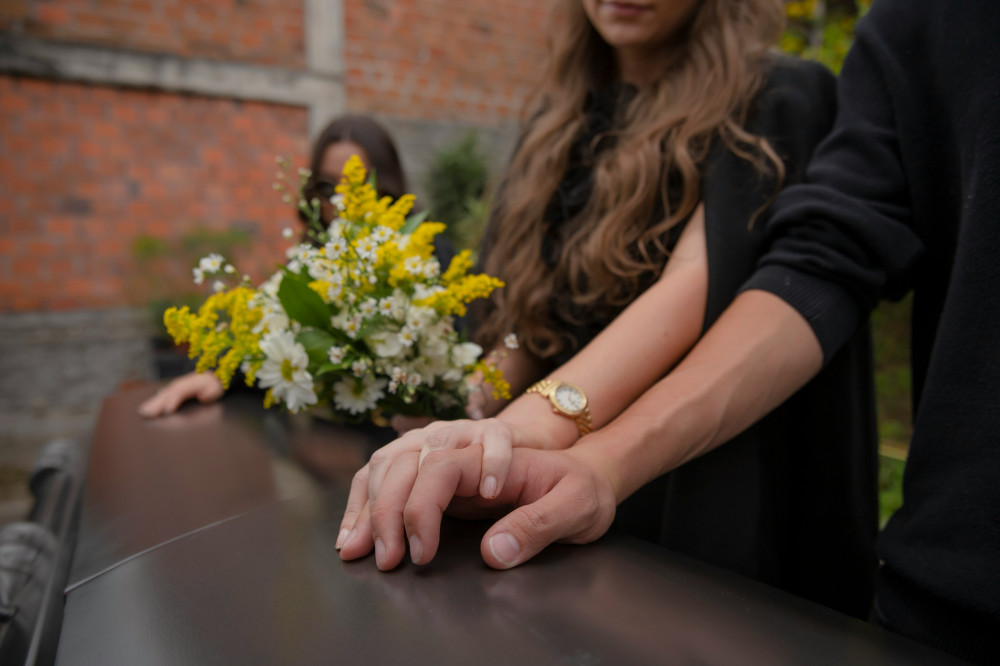
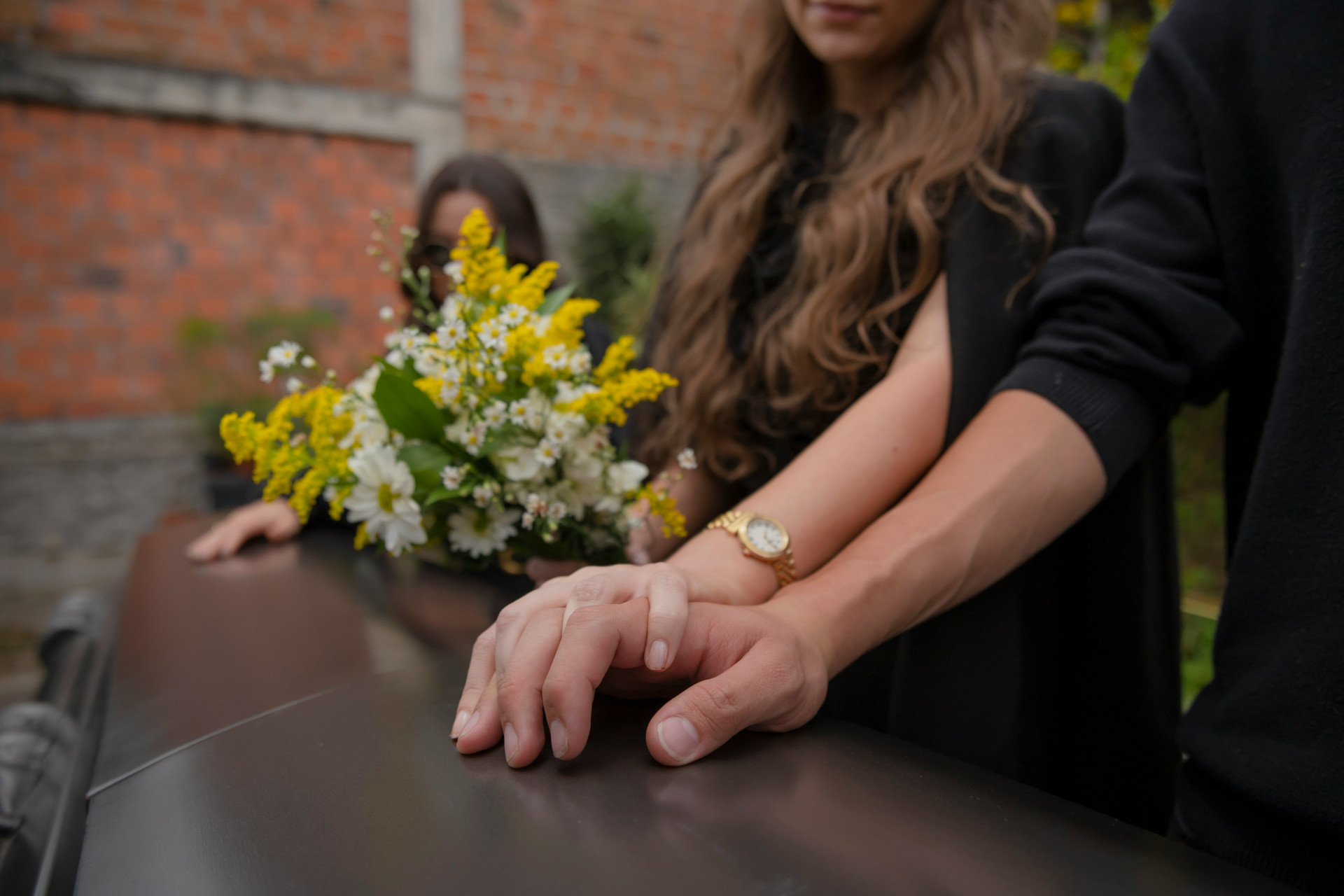
For others, a larger ceremony feels essential. It becomes a way to honor a life lived and to celebrate the person’s impact on others. A memorial service filled with music, stories, and shared memories can bring together family, friends, colleagues, and neighbors in a collective expression of love and loss.
Rituals and speeches provide structure in a time of chaos. They help mourners articulate what might otherwise remain unspoken. Seeing how many people were touched by the deceased’s life can also be deeply comforting—it reminds the bereaved that their loved one’s influence endures.
The Role of Rituals in Grief
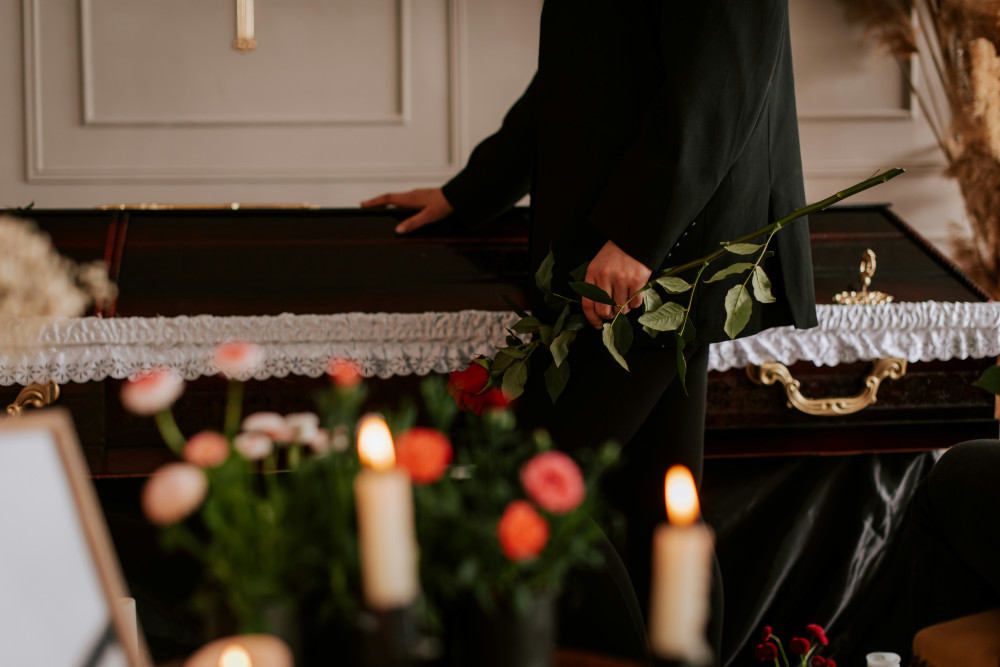
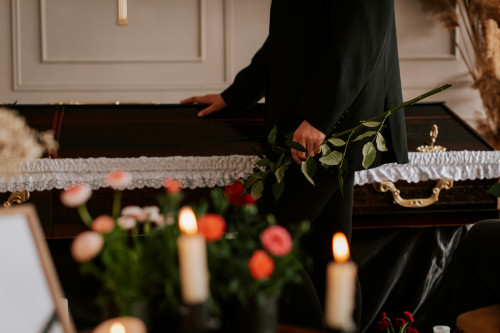
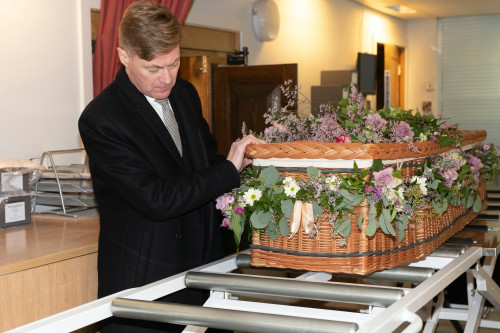
Rituals—whether religious, cultural, or personal—play a vital role in mourning. They give us something to do when words fail. Lighting a candle, placing flowers, or saying a final goodbye at a graveside are gestures that help the mind and heart accept what has happened.
Even in modern, highly individualized farewells, many people hold on to certain rituals. It might be reading a favorite poem, playing a meaningful song, or sharing a toast in memory of the deceased. These small acts become symbols of love and gratitude, helping to bridge the gap between loss and acceptance.
Making It Personal
More and more Americans are choosing to personalize farewells. A ceremony might include photos, favorite foods, or music that reflects the person’s life. Some families scatter ashes in a beloved place—a mountain trail, a lake, or a garden. Others create digital memorials or plant trees in remembrance.
Personal touches can make the farewell feel authentic and healing. They allow the bereaved to feel that they have honored their loved one in a way that truly fits who they were. That sense of meaning can be an important step toward healing.
Læs også:
No Right or Wrong Way to Say Goodbye
There is no single “right” way to say farewell. What feels comforting to one family may feel wrong to another. The most important thing is that the goodbye reflects both the life that was lived and the needs of those who remain.
Some find solace in tradition and familiar rituals; others find it in freedom and creativity. Whether quiet or grand, formal or spontaneous, every farewell shares the same purpose: to let love be visible, even in the midst of loss.
Farewell as a Beginning
Though a farewell marks an ending, it can also signal a beginning. For many, the ceremony becomes a turning point—a moment when grief starts to take shape and memories begin to live on in new ways.
Saying goodbye is not only about letting go. It is also about finding a way to carry the person forward, in stories, in love, and in the quiet moments that follow.
Læs også: