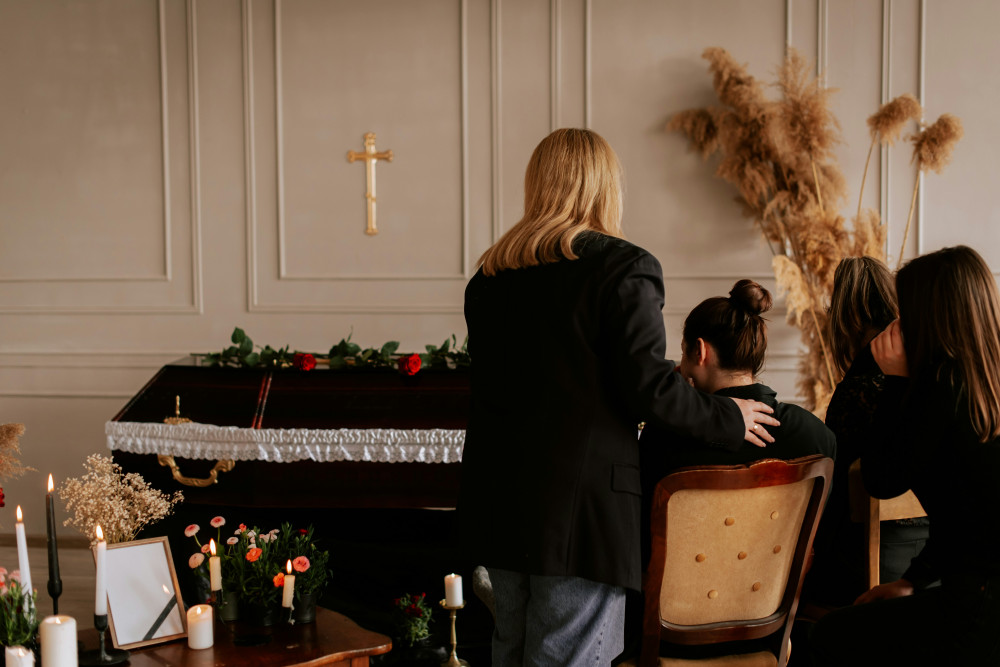
Together in Farewell: Share Family Responsibilities So No One Faces It Alone


Together in Farewell: Share Family Responsibilities So No One Faces It Alone
When a loved one passes away, grief touches everyone in the family—but not in the same way. Some people cope by taking care of practical matters, while others need quiet time to process what has happened. In the middle of shock and sadness, it can be hard to know who should do what. Yet this is exactly when it’s most important to come together, share the responsibilities, and make sure no one carries the burden alone.
Here are some ways families in the U.S. can work together through loss—with compassion, respect, and understanding for each other’s differences.
Talk Openly About What Needs to Be Done
The first step is to get a clear picture of what needs attention. There are many practical tasks: contacting a funeral home, choosing burial or cremation, planning the service, notifying relatives and friends, and handling legal and financial matters such as insurance, wills, and accounts.
Make a shared list of tasks and sit down together to divide them. Writing down who is responsible for what helps prevent confusion and gives everyone a sense of shared purpose. It’s a reminder that you’re in this together.
Divide Tasks According to Strengths and Energy
Grief affects everyone differently. Some people find comfort in staying busy, while others need space to rest and reflect. Both reactions are natural.
- The person who’s organized can coordinate with the funeral home and clergy or officiant.
- Someone with an eye for detail might handle flowers, music, or the memorial program.
- A good writer can draft the obituary or prepare a eulogy.
- The family member who’s socially connected can reach out to friends and extended relatives.
The key is to make sure no one feels pressured to take on more than they can handle. Grief is exhausting, and it’s okay to step back when needed.
Remember That Practical Tasks and Emotions Are Connected
Even though the to-do list may feel overwhelming, these tasks can also be part of the healing process. Choosing photos, writing a tribute, or selecting music can help family members reflect on memories and express love.
Whenever possible, include everyone who wants to participate—even children or teens. Giving them a role, however small, can help them understand and process the loss in their own way.
Allow Space for Different Reactions
Grief doesn’t look the same for everyone. Some cry openly, others stay quiet. Some want to talk, others prefer solitude. Misunderstandings can arise if we expect others to grieve the same way we do.
Try to accept these differences. Give each other room to breathe, and remember that there’s no “right” way to mourn. What matters most is maintaining respect and kindness, even when emotions run high.
Reach Out for Outside Help When Needed
Even with good teamwork, the weight of loss can feel too heavy. Asking for help is not a sign of weakness—it’s a sign of wisdom. Funeral directors, clergy, or celebrants can take care of many details, and most communities offer grief counseling, support groups, or faith-based resources.
If disagreements arise within the family, consider bringing in a neutral person—a trusted friend, counselor, or mediator—to help everyone find common ground.
Læs også:



Create a Shared Memory
When the immediate arrangements are behind you and daily life begins to resume, it can be meaningful to create something lasting together. You might make a photo book, plant a tree, start a scholarship fund, or hold an annual gathering to remember your loved one.
These shared rituals help keep the connection alive—not only to the person who has passed, but also among those who remain. They remind us that while grief changes over time, love endures.
Together, the Burden Is Lighter
Losing someone you love is one of life’s hardest experiences. But when a family stands together, the weight becomes easier to bear. By sharing responsibilities, listening to one another, and allowing space for both tears and laughter, you can find strength in unity.
The farewell will never be easy—but it can be meaningful, healing, and filled with love when no one faces it alone.
Læs også: