Small Tweaks, Big Difference: How to Make Cooking Easier for Every Skill Level

Small Tweaks, Big Difference: How to Make Cooking Easier for Every Skill Level
Cooking doesn’t have to be time-consuming or complicated to be delicious. Whether you’re just starting out in the kitchen or you’ve been cooking for years, small adjustments in planning, setup, and technique can make a big difference. Here’s how to make cooking easier, more enjoyable, and less stressful—without sacrificing flavor or quality.
Planning Is Half the Battle
One of the best ways to simplify cooking is to plan ahead. When you know what you’re making and have the ingredients ready, you avoid last-minute stress and the temptation to order takeout.
- Create a meal plan for three to five days at a time. It doesn’t have to be detailed—just a general idea of what you’ll cook and what ingredients you’ll need.
- Think in leftovers: Make extra rice, chicken, or roasted veggies so you can turn them into a salad, wrap, or stir-fry the next day.
- Consolidate grocery trips: A single weekly shopping trip saves time and energy during busy weekdays.
Planning ahead also helps you reduce food waste and keep your meals varied. Plus, it’s a relief not to stand in front of the fridge at 6 p.m. wondering what to make.
Set Up Your Kitchen for Success
A tidy, functional kitchen makes cooking much more manageable. You don’t need a professional setup—just a few well-chosen tools and a bit of organization.
- Keep countertops clear so you have space to work.
- Store frequently used tools within reach—like knives, cutting boards, and spatulas.
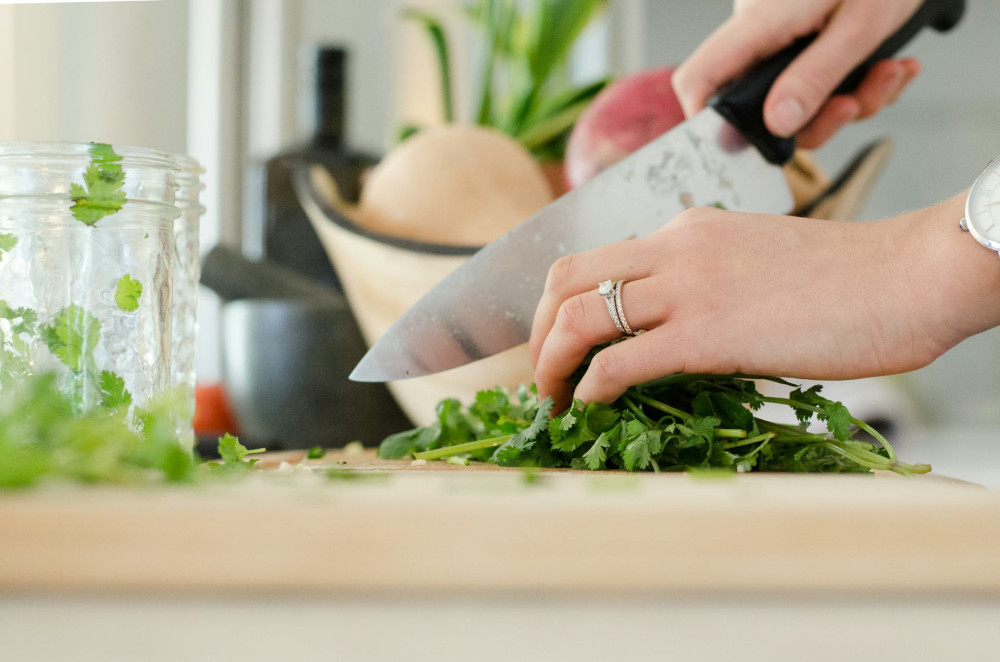
- Invest in quality where it counts: A sharp chef’s knife, a sturdy cutting board, and a reliable skillet can make cooking faster and more enjoyable.
A great habit is to clean as you go. Rinse bowls and utensils while something simmers, so you’re not left with a mountain of dishes afterward. It makes the end of cooking feel much more satisfying.
Læs også:
Use Time-Saving Techniques
Good food doesn’t always require hours in the kitchen. Often, it’s about working smarter, not longer. A few simple techniques can help you cut down on prep time without compromising taste.
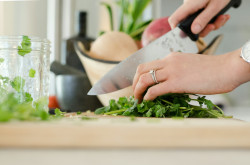
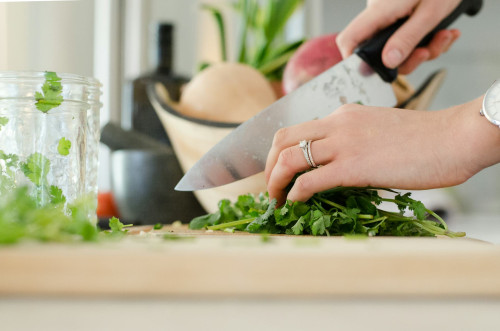
- Prep vegetables in advance: Chop onions, carrots, or bell peppers and store them in airtight containers in the fridge.
- Let the oven do the work: Roast vegetables, fish, or chicken on a sheet pan—it’s hands-off and efficient.
- Batch-cook basics like grains, beans, or pasta, and use them in different meals throughout the week.
These small habits can save you precious minutes every day and make it easier to choose home-cooked meals over takeout.
Make Healthy Eating Simple
Healthy food doesn’t have to be complicated. It’s often about having the right ingredients on hand and making the good choice the easy one.
- Stock your fridge and pantry with staples like eggs, fresh or frozen vegetables, yogurt, whole grains, and canned beans.
- Keep recipes simple—think veggie omelets, sheet-pan dinners, or quick pasta dishes with olive oil and greens.
- Use frozen produce: It’s just as nutritious as fresh and can be ready in minutes.
When healthy options are easy to grab, you’re more likely to eat well even on your busiest days.
Find Joy in the Process
Cooking isn’t just about efficiency—it’s also about enjoyment. Put on your favorite playlist, invite family or friends to join, or use your time in the kitchen as a way to unwind.
If you’re cooking with others, divide the tasks: one person chops, another stirs, someone else sets the table. It turns cooking into a shared experience rather than a chore. And remember, mistakes happen—burnt toast or overcooked pasta are part of the learning process. Even professional chefs have off days.
Small Steps, Big Results
Making cooking easier doesn’t mean changing everything overnight. Start with one area—planning, organization, or prep—and build from there. Over time, you’ll notice that these small tweaks make a big difference in your confidence, your health, and your enjoyment of food.
Cooking is a skill that grows with practice. The more you do it, the more natural it becomes—and the more you’ll appreciate the process as much as the meal itself.
Læs også: