Improvise in the Kitchen with the Core Principles of Culinary Craftsmanship Behind You

Improvise in the Kitchen with the Core Principles of Culinary Craftsmanship Behind You
Being able to improvise in the kitchen is one of the most rewarding skills any home cook can develop. It’s not about following a recipe to the letter, but about understanding why things work — and how you can adapt, adjust, and create something new from what’s already in your pantry. When you have the core principles of culinary craftsmanship behind you, improvisation stops being guesswork and becomes a creative expression grounded in knowledge.
Master the Fundamentals
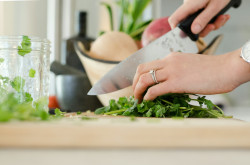
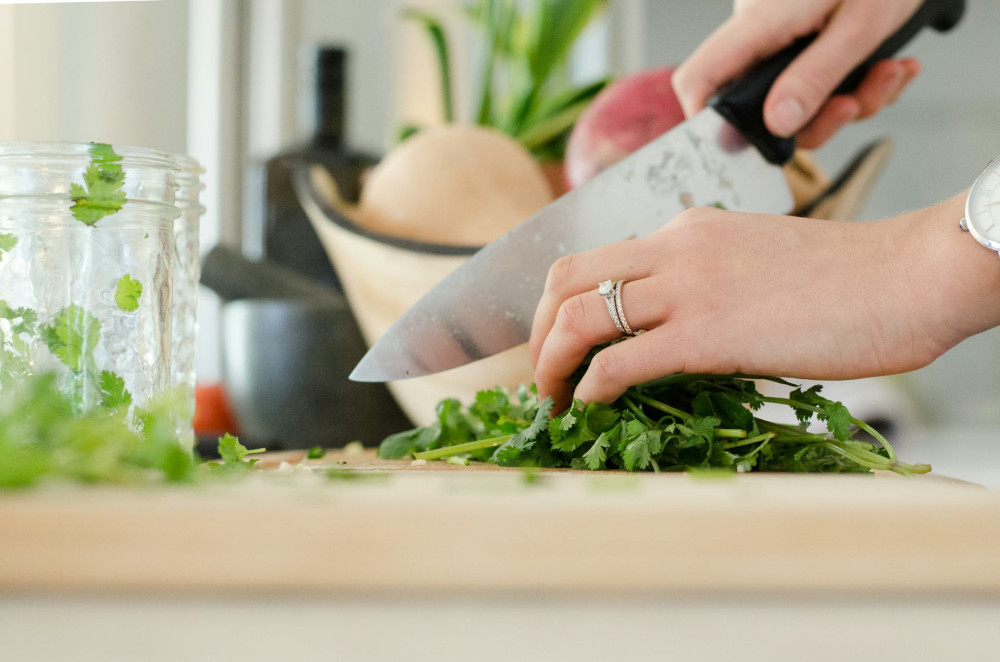
Improvisation starts with technique. Once you understand the basics, you can move freely between ingredients and dishes without losing your footing.
- Searing and sautéing: Learn to control heat. A pan that’s too cool leaves food pale and soggy; one that’s too hot burns it before it cooks through. When you know the difference, you can improvise with anything from mushrooms to chicken without a recipe.
- Boiling and blanching: Understand how heat affects texture. Overcooked vegetables lose both color and bite. Cook them briefly, then shock them in ice water to preserve freshness — whether you’re making a salad or a stir-fry.
- Sauces and emulsions: A good sauce can rescue almost any dish. When you know how to balance fat, acid, and liquid, you can create new flavor combinations on the spot — from a quick lemon-butter drizzle for fish to a creamy vinaigrette for greens.
Once these techniques are second nature, the kitchen becomes a place of freedom rather than rules.
Taste as You Go — and Learn Balance
Improvisation is as much about taste as it is about technique. The five basic tastes — sweet, sour, salty, bitter, and umami — are your compass. If a dish feels flat, it might need acid. If it’s too sharp, a touch of sweetness or fat can round it out.
Taste as you cook, not just at the end. A squeeze of lemon, a pinch of salt, or a drizzle of honey can transform a dish. The more you train your palate to recognize what’s missing, the less you’ll rely on recipes and the more confident you’ll become in your own judgment.
Let Ingredients Lead the Way
Improvisation often begins with a look inside your fridge. Instead of asking, “What recipe can I follow?”, ask, “What can I make with what I have?”
A few vegetables, some cheese, and leftover grains can become a warm salad, a frittata, or a hearty soup. The key is to see ingredients as building blocks, not limitations.
- Vegetables can be roasted, sautéed, pureed, or served raw — depending on the texture you want.
- Grains and legumes add body and can form the base of countless dishes.
- Spices and herbs are your palette — they can shift a dish from Mediterranean to Asian in an instant.
When you think in terms of function rather than form, your kitchen becomes a creative workshop.
Learn from Mistakes — and Repeat What Works
No one becomes a great improviser without a few failures. A sauce might split, bread might turn out dry, or a flavor pairing might fall flat. But every mistake is a lesson. Ask yourself what went wrong — too much heat, not enough acid, poor timing — and try again.
Keep a small notebook or digital note on your phone. It may sound old-fashioned, but jotting down what worked (and what didn’t) helps you refine your instincts. Over time, you’ll build your own “recipe book” — not of fixed measurements, but of experience and intuition.
Build Your Own Food Culture
Improvisation isn’t just about technique; it’s about identity. When you let go of strict recipes and trust your senses, you start to develop your own style. Maybe you love bright, tangy flavors, or maybe you lean toward rustic simplicity. It’s through improvisation that your personal food culture takes shape.
Cooking this way is also a nod to sustainability. You use what you have, reduce food waste, and learn to appreciate ingredients in their entirety. It’s practical, economical, and deeply satisfying.
Læs også:
Joy in the Craft
Improvisation in the kitchen isn’t the opposite of discipline — it’s its natural extension. When you’ve mastered the craft, you can let go of the rules without losing direction. You can create meals that fit the day, the mood, and whatever’s in your pantry.
So next time you find yourself in the kitchen without a plan, remember: you already have everything you need — your senses, your experience, and the core principles of culinary craftsmanship. The rest is pure play.
Læs også: