Play with Your Head – Not Your Emotions: How to Keep Frustration and Overconfidence in Check at the Poker Table

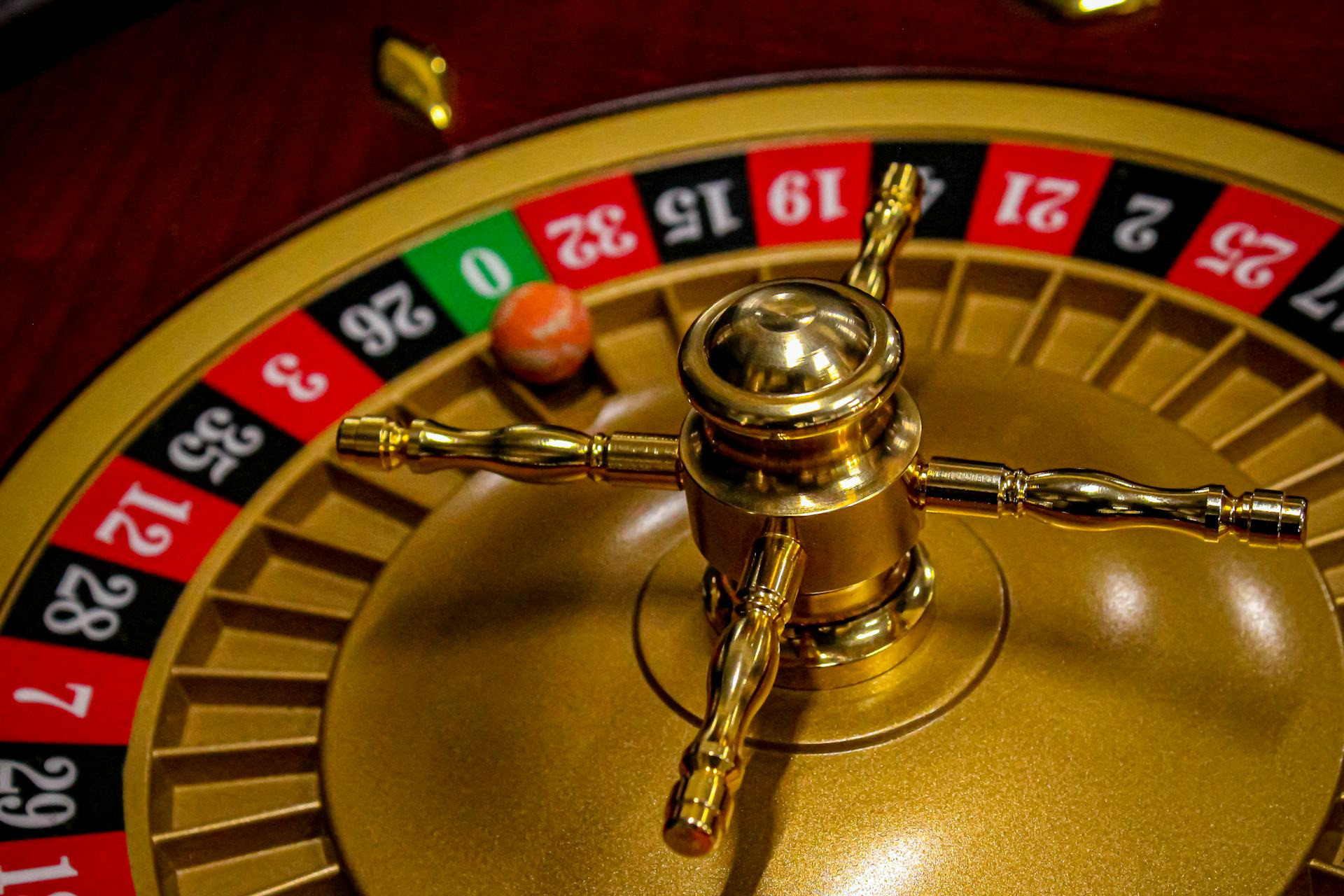
Play with Your Head – Not Your Emotions: How to Keep Frustration and Overconfidence in Check at the Poker Table
Poker is a game where luck and strategy both matter – but in the end, psychology often decides who walks away a winner. Many players don’t lose because they lack knowledge of odds or hand rankings, but because they lose control of their emotions. Frustration, overconfidence, and impulsive decisions can quickly turn a good session into an expensive lesson. Here’s how to stay calm and play with your head – not your emotions.
Understand Your Emotions at the Table
Emotions are part of poker. You can’t avoid feeling excitement, disappointment, or adrenaline when you win or lose a big hand. But you can learn to recognize and manage those feelings.
- Frustration often hits after a bad beat – especially when you feel you “should have” won.
- Overconfidence tends to appear after a winning streak, when you start believing you can’t lose.
- Fear creeps in after a series of losses, making you hesitant to take calculated risks.
Being aware of how these emotions influence your decisions is the first step toward controlling them. Ask yourself: Am I playing this hand because it’s the right move – or because I’m trying to win something back?
Learn to Recognize “Tilt”
In poker, tilt describes the mental state where emotions take over and rational thinking fades. It can happen to anyone – even seasoned pros.
Signs of tilt include:
- Playing more hands than usual.
- Raising stakes too quickly to “win back” losses.
- Ignoring your strategy and acting on impulse.
When you feel yourself slipping into tilt, take a break. Step away from the table, stretch, or log off if you’re playing online. Missing a few hands is far better than losing your entire bankroll.
Build Routines That Keep You Focused
Professional players know that mental discipline is just as important as technical skill. You can strengthen your focus and composure by creating consistent routines before and during play.
- Preparation: Make sure you’re rested and have eaten before you play. Fatigue and hunger make you more vulnerable to emotional reactions.
- Environment: Play in a calm, distraction-free space. Turn off notifications, silence your phone, and avoid multitasking.
- Time management: Set a time limit for your session. Long hours increase the risk of mistakes and emotional burnout.
By making these routines part of your strategy, you’ll find it easier to keep a clear head – even when the pressure rises.
Handle Wins and Losses with the Same Calm
One of the hardest parts of poker is reacting the same way whether you win or lose. The key is to view poker as a long-term process, not a series of isolated hands.
When you lose, remind yourself that even the best players go through downswings. Focus on whether you made the right decision, not on the outcome. When you win, don’t let success cloud your judgment. Overconfidence can lead to reckless plays and unnecessary losses.
A good rule of thumb: end your session when you feel emotions starting to take over – whether you’re up or down.
Use Reflection as a Tool
After each session, take a few minutes to reflect. Write down what went well and what didn’t – not just in terms of cards, but in terms of your mindset.
Ask yourself:
- When did I feel the most pressure?
- What triggered my frustration or overconfidence?
- How could I have responded differently?
This kind of self-awareness helps you improve over time. You’ll start to notice patterns in your behavior that you can work on changing.
Læs også:


Poker as Mental Training
Poker isn’t just about money – it’s also an exercise in self-control, patience, and decision-making under pressure. Many players find that the mental skills they develop at the table help them in everyday life: staying calm under stress, thinking rationally, and accepting setbacks with composure.
When you learn to play with your head instead of your emotions, poker becomes more than a game – it becomes a form of mental discipline that strengthens you far beyond the felt.
Læs også: