Gambling Across Cultures: How the World’s Gaming Traditions Differ

Gambling Across Cultures: How the World’s Gaming Traditions Differ
Gambling is one of humanity’s oldest forms of entertainment—and one that transcends borders. Yet the way people play, what they wager on, and how they view luck and risk vary dramatically from culture to culture. For some, gambling is a social ritual; for others, it’s a spiritual act or a modern pastime. Let’s take a look at how gaming traditions have evolved around the world—and what they reveal about the societies behind them.
From Fortune-Telling to Fun: The Origins of Gambling
The roots of gambling stretch back thousands of years. In ancient China, dice and drawing lots were used to predict the future. In Rome, betting on gladiator fights and chariot races was part of everyday life. Across many early civilizations, games of chance were intertwined with religion, fate, and the belief that luck could be influenced by the gods.
Today, gambling is largely a form of entertainment, but those cultural origins still echo. In many Asian societies, luck remains tied to spirituality, while in the West, gambling often reflects individualism, competition, and the thrill of risk.
Asia: Luck, Symbolism, and Community
In much of Asia, gambling is steeped in symbolism and superstition. In China, the number eight is considered lucky, symbolizing wealth and prosperity, while four is avoided for its association with death. These beliefs influence everything from casino architecture to betting habits. Traditional games like mahjong and sic bo are often played during festivals such as Lunar New Year, where the focus is as much on togetherness as on winning.
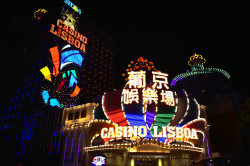
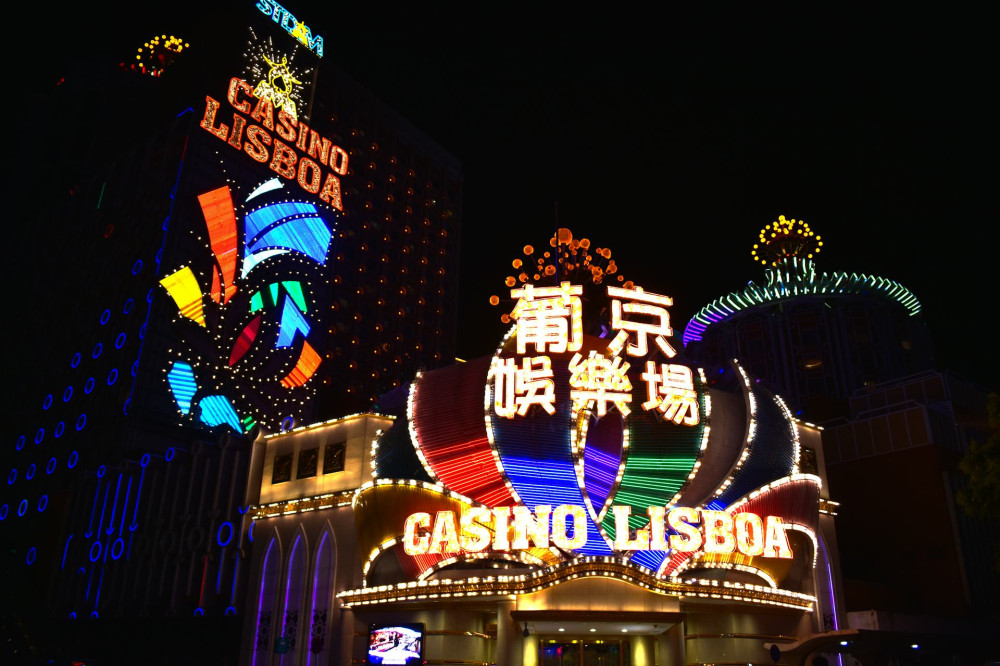
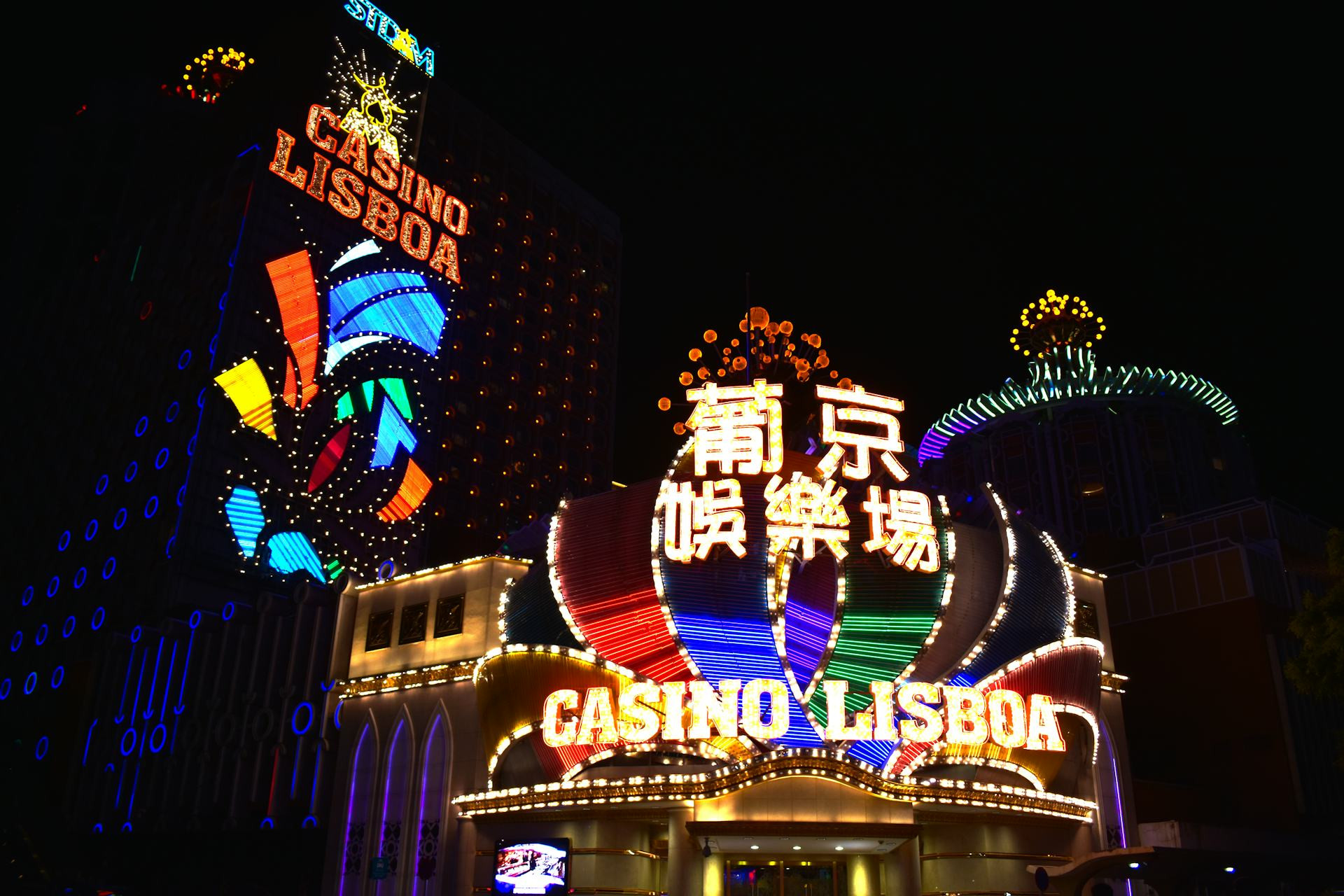
Macau—often called the “Las Vegas of Asia”—embodies the blend of old and new. Western-style casinos coexist with games like baccarat, which many players believe can be swayed by the right energy or mindset. Here, gambling is not just about money, but about harmony, fortune, and social connection.
Europe: From Aristocratic Pastimes to Public Entertainment
Europe’s gambling history is one of both glamour and regulation. In the 17th and 18th centuries, card games like baccarat and faro were the domain of the elite, while lotteries and horse racing became popular among the masses. Today, Europe is home to some of the world’s most tightly regulated gambling markets, emphasizing consumer protection and responsible play.
Each country retains its own traditions. In the United Kingdom, sports betting and bookmaking are cultural staples, while France and Italy have long histories of lotteries and casino games. In Scandinavia, state-run gambling monopolies have historically aimed to control play and channel profits toward public welfare.
North America: From Frontier Saloons to Las Vegas Lights
In the United States, gambling has had a turbulent journey. In the 19th century, poker and card games were fixtures in frontier saloons, but by the early 20th century, most forms of gambling were outlawed. That changed in 1931, when Nevada legalized casinos—and Las Vegas was born.
Today, gambling is a multibillion-dollar industry woven into American culture. From the neon lights of the Strip to the boardwalks of Atlantic City and the rise of online platforms, gambling has become part of the entertainment landscape. Native American tribes have also built thriving casino enterprises, using gaming as a path toward economic independence and cultural preservation. In many ways, gambling in the U.S. reflects the nation’s spirit of risk-taking, entrepreneurship, and reinvention.
Africa and the Middle East: Tradition, Faith, and Modernization
Across Africa, gaming traditions long predate modern casinos. Board games like mancala and local betting on sports or animal races have been part of daily life for centuries. Today, mobile technology has fueled a surge in sports betting, especially on soccer, connecting local traditions with global trends.
In the Middle East, gambling is often restricted or prohibited for religious reasons. Islamic law forbids games of chance, and as a result, most countries in the region have few legal gambling options. Still, some have introduced limited lotteries or prize-based competitions that attempt to balance cultural values with modern entertainment.
Læs også:

Online Gambling: A Global Game Without Borders
The internet has transformed gambling into a truly global phenomenon. Online casinos, esports betting, and cryptocurrency-based games have created a digital gaming culture that transcends geography. Players from different continents now share the same virtual tables, blurring the lines between local traditions and global trends.
This digital shift has also sparked new debates about regulation, ethics, and addiction. Some countries have embraced online gambling as a legitimate, taxable industry, while others have banned it outright. These differences reflect not just legal frameworks, but deeper cultural attitudes toward risk, morality, and personal freedom.
Gambling as a Cultural Mirror
Gambling is more than a pastime—it’s a reflection of the values, beliefs, and aspirations of the societies that practice it. In some cultures, it’s about community and celebration; in others, it’s about independence and ambition. The world may play by different rules, but the universal appeal of chance and fortune reminds us that, wherever we are, the thrill of the game is part of what makes us human.
Læs også: