How to Store Kids’ Clothes So They Keep Their Shape and Color

How to Store Kids’ Clothes So They Keep Their Shape and Color
Children’s clothes go through a lot — constant wear, frequent washing, and plenty of outdoor play. Without proper care, they can quickly lose their color, shape, and softness. Whether you’re saving clothes for a younger sibling, planning to donate them, or simply want to keep your child’s wardrobe looking fresh, the right storage methods make all the difference. Here’s a practical guide to help you store kids’ clothes so they stay in great condition.
Wash and Prepare Clothes Before Storing
Before putting clothes away, make sure they’re completely clean and dry. Even small stains or traces of moisture can lead to discoloration, mildew, or unpleasant odors over time.
- Follow the care label – Always wash according to the manufacturer’s instructions, using a gentle detergent that’s free of bleach or optical brighteners, which can fade colors.
- Treat stains thoroughly – Milk, fruit, and oil stains can set in if not removed completely.
- Dry completely – Moisture is the biggest enemy of stored clothing. Ensure every piece is fully dry before packing it away.
It’s also helpful to sort clothes by size and season before storing. That way, you can easily find what you need when the time comes.
Choose the Right Storage Method
The best storage method depends on your space and how long you plan to store the clothes. Each option has its pros and cons.
- Plastic bins with lids protect against dust and moisture. Choose clear bins so you can see what’s inside, and keep them out of direct sunlight to prevent fading.
- Fabric or cotton storage bags allow clothes to breathe, which is ideal for natural fibers like cotton and wool.
- Vacuum-sealed bags save space but should only be used for short-term storage, as tightly compressed clothes can lose their shape over time.
Avoid storing clothes in attics, basements, or garages where temperature and humidity fluctuate. A cool, dry, and dark place — such as under a bed or in a closet — is best.
Protect the Colors
Bright colors and prints can fade if exposed to light, heat, or harsh chemicals. To keep them vibrant:
- Store clothes in a dark, cool place away from sunlight and heat sources.
- Use acid-free tissue paper between layers to protect delicate fabrics.
- Avoid store plastic bags, which can trap moisture and release chemicals that discolor fabric.
If you’re storing dark and light clothes together, place a piece of fabric or tissue paper between them to prevent color transfer.
Keep Clothes in Shape
Kids’ clothes, especially knits and stretchy materials, can lose their shape if stored incorrectly. To help them keep their form:
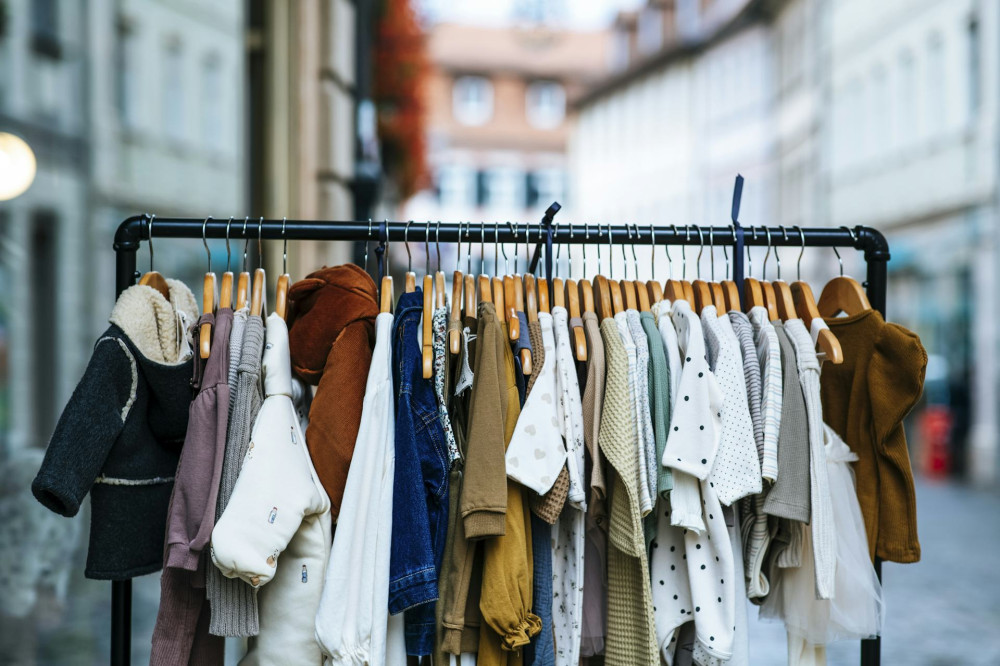
- Fold instead of hanging – Hanging can stretch out shoulders and necklines.
- Stuff sleeves and hoods with a bit of tissue paper to help jackets and sweaters hold their shape.
- Don’t overpack – Clothes need a little space to “breathe.” Compressing them too tightly can cause wrinkles and misshaping.
If you’re storing shoes or boots with the clothes, place them in separate bags so they don’t press against or stain the fabrics.
Label and Organize by Size and Season
A little organization goes a long way. Label each bin or bag clearly with the size and season — for example, “2T – Summer” or “4T – Winter.” This makes it easy to find what you need later.
You can also keep a simple inventory list of what’s in each container. It saves time when you’re looking for specific items and helps you track what you already have.
Check Clothes Periodically
Even well-stored clothes benefit from occasional attention. Once or twice a year, open your storage containers to air out the clothes and check for any signs of moisture, mildew, or pests. This is also a good time to decide what to keep, donate, or pass along.
Læs også:

Make Good Storage a Habit
Once you establish a routine, keeping kids’ clothes in great shape becomes second nature. Proper storage not only saves money but also extends the life of each piece — a small effort that benefits your family, your wallet, and the environment.
Læs også: