Everyday Clothes That Last: How to Keep Their Shape and Color with Proper Storage and Care

Everyday Clothes That Last: How to Keep Their Shape and Color with Proper Storage and Care
We wear our everyday clothes again and again—jeans, T-shirts, button-downs, and sweaters that need to handle work, errands, and the washing machine. But even the best-made clothes can lose their shape and color if they’re not cared for properly. With a few mindful habits in washing, drying, and storage, you can make your clothes last longer—saving money and reducing waste. Here’s how to keep your wardrobe looking its best.
Wash with Care
Washing is often the biggest challenge for clothing longevity. Each wash wears down fibers and fades colors a little. The key is to wash less often—and more gently.
- Air out clothes first – Sometimes all your clothes need is a bit of fresh air instead of a full wash.
- Sort by color and fabric – Wash darks separately, and use gentle cycles for delicate fabrics like wool or silk.
- Use cold water – Most clothes get clean at 30°C (about 86°F) or on a cold cycle, which protects both fabric and color.
- Turn clothes inside out – This helps preserve color and reduces surface wear.
- Choose mild detergent – Avoid bleach and fabric softeners, which can weaken fibers over time.
For small or delicate items like underwear or T-shirts, use a mesh laundry bag to prevent stretching or tangling during the wash.
Drying: The Hidden Wear and Tear
The dryer is convenient, but it’s also one of the biggest culprits when it comes to clothing damage. High heat and constant tumbling can cause fibers to lose elasticity and shape.
- Air-dry whenever possible – Hang clothes on a rack or line, ideally out of direct sunlight to prevent fading.
- Shape garments while damp – Gently stretch seams and edges to help them keep their original form.
- Avoid hanging heavy items while wet – Sweaters and knits can stretch out if hung before they’re dry.
If you must use a dryer, choose a low-heat or delicate setting and remove clothes while they’re still slightly damp to finish air-drying.
Smart Storage for Longer Life
How you store your clothes matters just as much as how you wash them. Poor storage can lead to fading, wrinkles, and loss of shape.
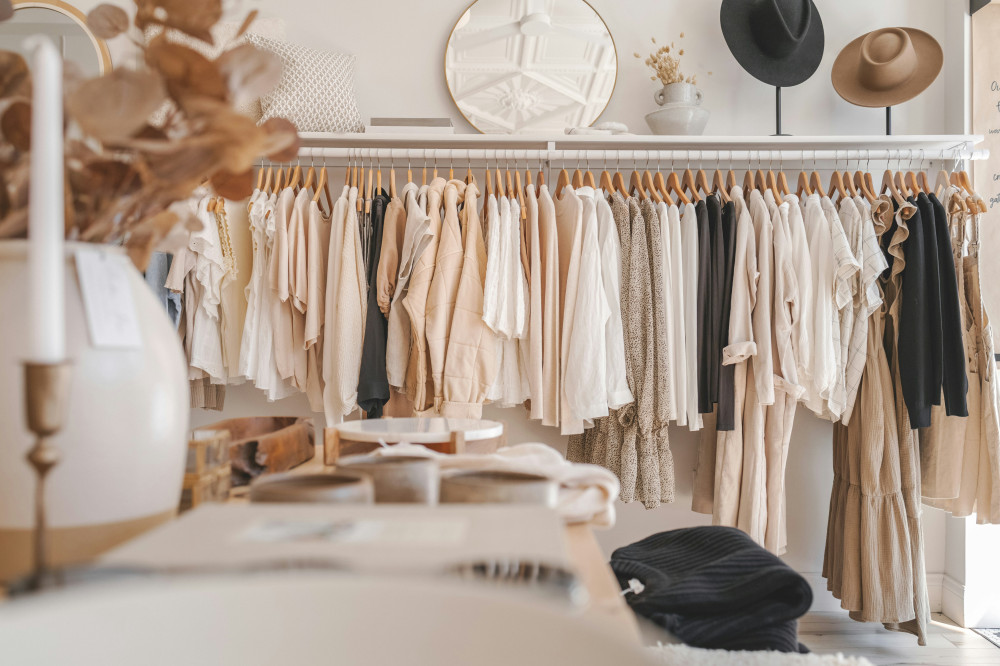
- Fold knits and heavy sweaters – Hanging them can cause stretching and misshapen shoulders.
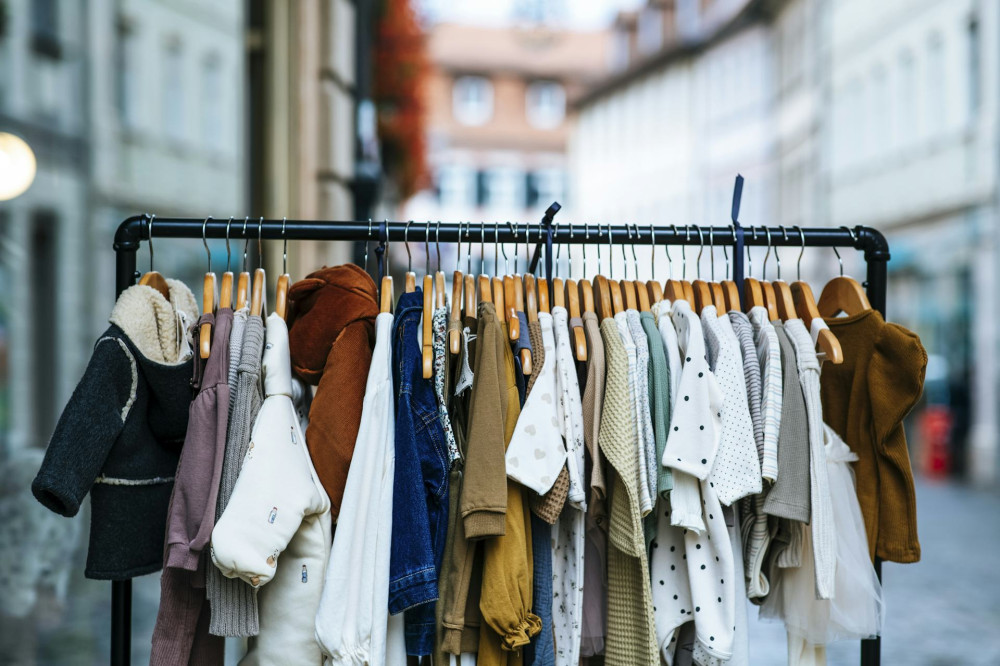
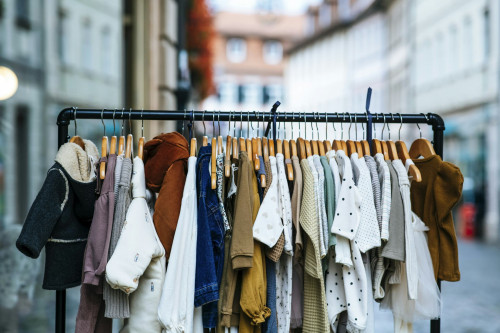
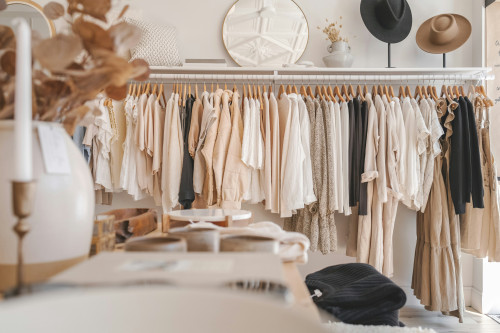
- Use shaped hangers – For shirts, jackets, and dresses, use hangers that support the shoulders properly.
- Keep your closet clean and dry – Moisture and dust can damage fabrics over time.
- Avoid direct sunlight – Prolonged exposure can fade colors, especially on dark fabrics.
- Add cedar blocks or sachets – They help deter moths and keep clothes smelling fresh.
When storing seasonal clothes, make sure everything is clean and completely dry before packing away. Use breathable fabric bins or cotton garment bags instead of plastic to allow airflow.
Læs også:

Small Repairs, Big Difference
A loose button or tiny tear doesn’t mean it’s time to toss your clothes. With a needle, thread, and a few minutes, you can extend their life significantly.
- Sew buttons back on before they’re lost.
- Mend small holes or loose seams right away.
- Use iron-on patches for quick fixes on jeans or kids’ clothes.
If sewing isn’t your thing, many dry cleaners and local tailors offer affordable repair services. It’s cheaper—and more sustainable—than buying new.
Give Clothes a Second Life
Even when clothes are too worn for everyday wear, they can still be useful. A faded shirt can become a work top, and an old T-shirt can serve as a cleaning rag. You can also dye faded items or repurpose them into something new.
Thinking creatively about your wardrobe isn’t just about saving money—it’s about making the most of what you already own and reducing waste.
A Few Good Habits Make All the Difference
Keeping your clothes in great shape doesn’t require major effort—just a little attention. Wash less, dry gently, store properly, and repair when needed. With these simple habits, you’ll preserve the shape, color, and quality of your everyday clothes—and enjoy them for years to come.
Læs også: