Alone Time and Community: How to Find the Balance for Your Mental Health


Alone Time and Community: How to Find the Balance for Your Mental Health
In a world where our days are filled with work demands, social media, and constant notifications, finding the right balance between alone time and community can be a real challenge. Both are essential for mental health—but in different ways and at different times. Too much isolation can lead to loneliness, while too much social activity can cause stress and burnout. The key is learning to understand yourself and finding a rhythm that brings calm, energy, and well-being.
Why Alone Time Matters
Spending time alone isn’t about being lonely—it’s about giving yourself space to breathe and reflect. When you’re alone, your mind gets a chance to rest from external noise and process your thoughts. It might be a quiet morning with coffee, a walk without your phone, or an evening spent journaling or reading.
Research shows that regular alone time can improve focus, boost creativity, and help you manage stress more effectively. It’s often in those quiet moments that you gain clarity about what truly matters and what might need to change in your life.
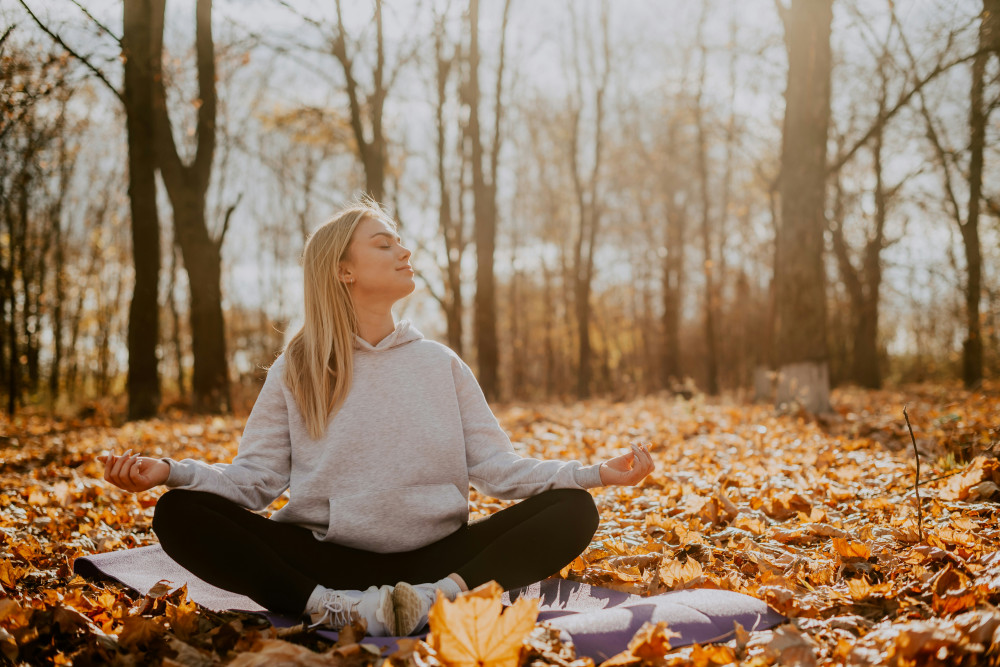
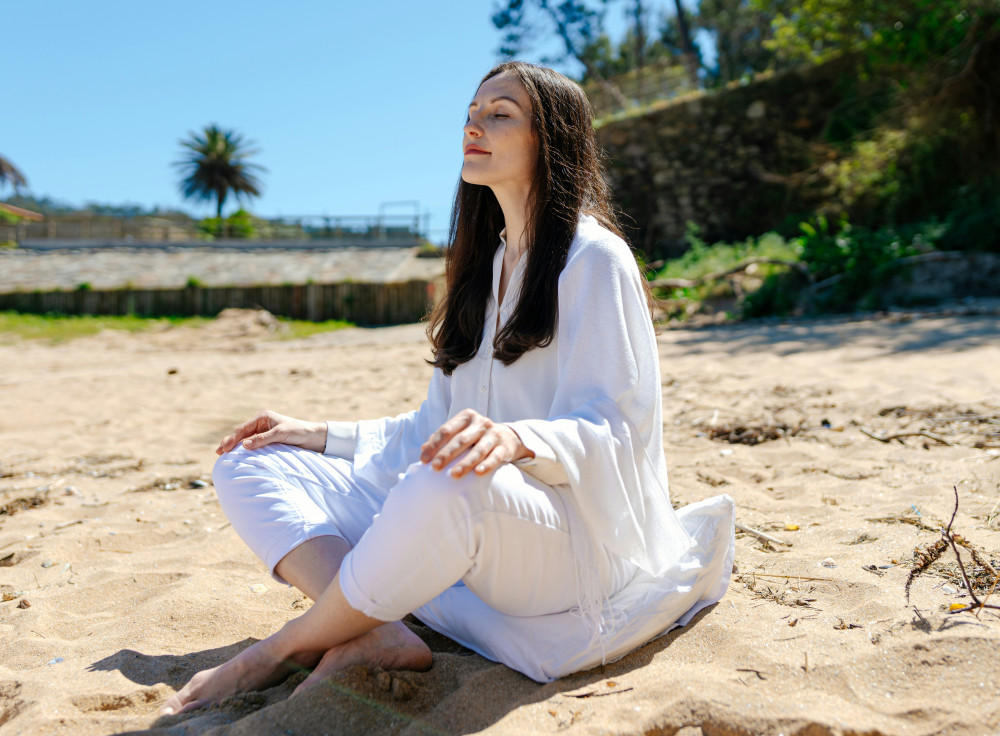
But alone time requires intention. It’s easy to confuse it with passive screen time, which often distracts rather than restores. Try creating small rituals that help you be present—without pressure, without performance. That could mean meditating, cooking a meal from scratch, or simply sitting outside and noticing your surroundings.
The Importance of Community
Humans are social beings. Relationships give us meaning, support, and joy. Being part of a community—large or small—can protect against stress, depression, and feelings of isolation. It’s not about having a huge circle of friends, but about having connections where you feel seen and understood.
Community can take many forms: a group of friends, a local sports team, a volunteer organization, or even a book club. What matters most is genuine connection. Quality is far more important than quantity.
If you find yourself withdrawing from social situations, it can help to ask whether you’re doing so because you need rest—or because you’re feeling overwhelmed or anxious. Understanding the difference can help you find your way back to a healthy balance.
Læs også:



Finding Your Personal Balance
There’s no one-size-fits-all formula. Some people thrive on frequent social interaction, while others need more solitude to recharge. The most important thing is to listen to your own signals.
- Notice your energy. Do you feel uplifted or drained after social activities? That can tell you how much community time you need.
- Schedule alone time intentionally. Put it on your calendar like any other commitment. It’s easier to prioritize when it’s planned.
- Be honest with others. Let friends or family know when you need a break—it’s not about rejecting them, but about taking care of yourself.
- Seek meaningful connections. Join groups or activities that align with your interests. Shared purpose makes social time more fulfilling.
Finding balance takes practice. Some weeks you might crave quiet; other times, you might need more connection. Allow yourself to adjust as needed.
When the Balance Tips
If you often feel exhausted after social events or find yourself isolating more than you’d like, it may be a sign that your balance is off. That’s completely normal—but small steps can help you regain your rhythm.
Start with short, low-pressure interactions with people you trust, or build in brief pauses during your day to breathe and check in with yourself. It’s not about big changes, but about small, consistent adjustments that support your well-being over time.
If you’ve been feeling lonely or overwhelmed for a while, consider reaching out to a friend, counselor, or mental health professional. Sometimes we need outside support to find our balance again.
Living in Tune with Yourself
Finding the balance between alone time and community is a lifelong process. Your needs will shift with age, life circumstances, and personality. The key is to stay curious about yourself and be willing to make changes when something feels off.
When you learn to move between solitude and connection in a way that fits you, you not only strengthen your mental health—you also create a life that feels more grounded, energized, and meaningful.
Læs også: