Adventures in Freedom: Plan Your Trip with Room for the Unexpected

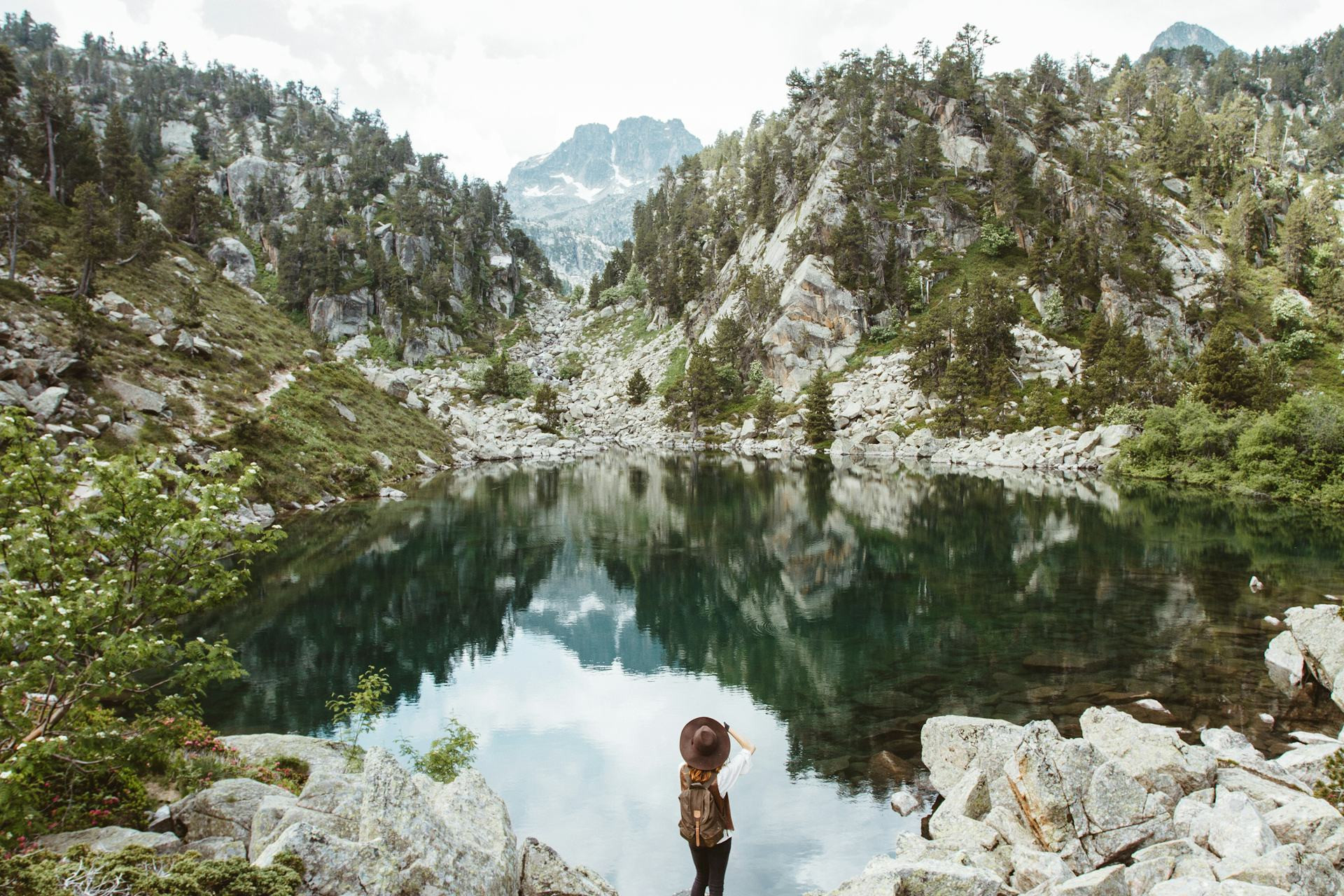
Adventures in Freedom: Plan Your Trip with Room for the Unexpected
There are countless ways to travel—from carefully scheduled tours to spontaneous road trips with no set destination. But for many, the real joy of travel lies in the balance between structure and freedom: having a plan, yet leaving space for the unexpected. This article explores how to plan your next trip so it has both direction and room for adventure.
Why Freedom Makes Travel Better
When you travel, it’s tempting to try to do it all—see every landmark, eat at the top-rated restaurants, and capture the perfect photos. But often, it’s the unplanned moments that become the most memorable: the roadside diner you stumbled upon, the conversation with a local that changed your route, or the hidden trail you discovered by chance.
Leaving room for freedom doesn’t mean skipping planning altogether—it means planning with flexibility. It’s about creating a framework, not a cage of commitments.
Build a Flexible Itinerary
A good travel plan is like a skeleton—it holds things together but still allows movement. Here are a few ways to keep your itinerary open and adaptable:
- Plan in broad stages rather than fixed days. Decide which regions or cities you want to visit, but keep the number of days flexible.
- Book only your first stay, especially if you’re traveling outside peak season. This gives you the freedom to change direction as you go.
- Make a list of “maybe experiences” instead of a strict schedule. That way, you can choose based on your mood, the weather, or local recommendations.
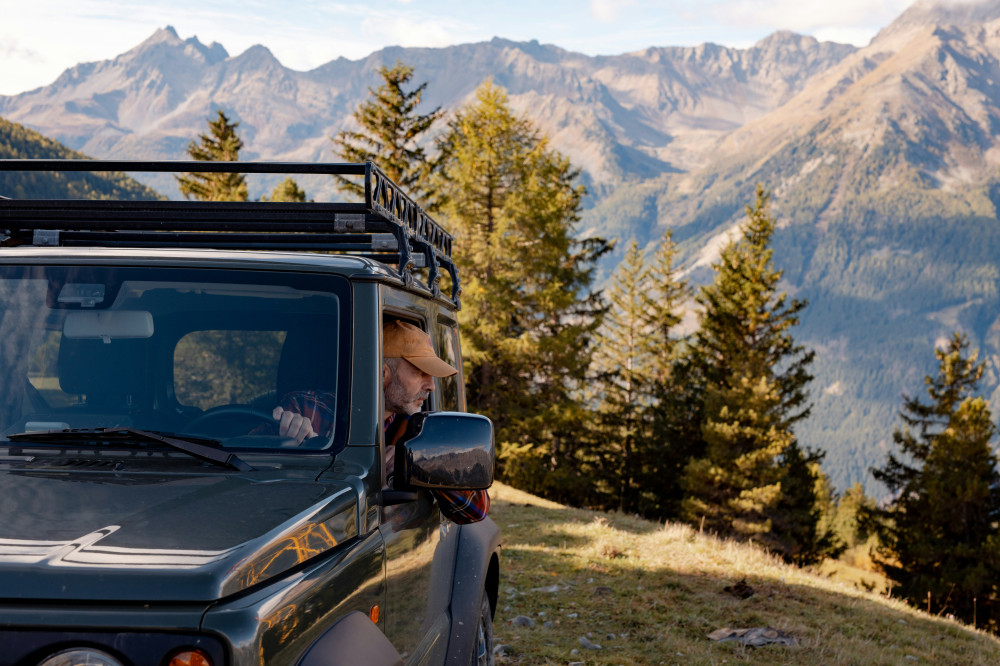
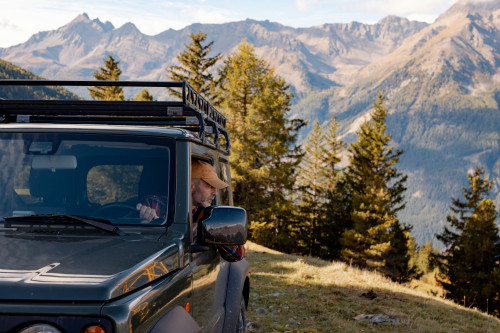
- Keep transportation flexible. Rental cars, trains, and buses often allow changes, and driving yourself gives you the freedom to stop wherever curiosity leads.
By thinking in terms of possibilities rather than obligations, your trip becomes more alive—and far less stressful.
Læs også:

Travel Light and Think Practical
The lighter you pack, the easier it is to improvise. A pair of comfortable shoes, a reliable backpack, and clothes that work in multiple settings make it simple to move freely. Pack in layers and focus on function over fashion.
Don’t forget the essentials: travel insurance, access to cash, and copies of important documents. Once the basics are covered, you can relax and embrace spontaneity with confidence.
Leave Space for Pauses and Surprises
Many trips are packed too tightly. But it’s in the pauses that you truly experience a place—and yourself. Set aside time to wander without a goal, sit in a park and watch life unfold, or take a detour just because it looks interesting.
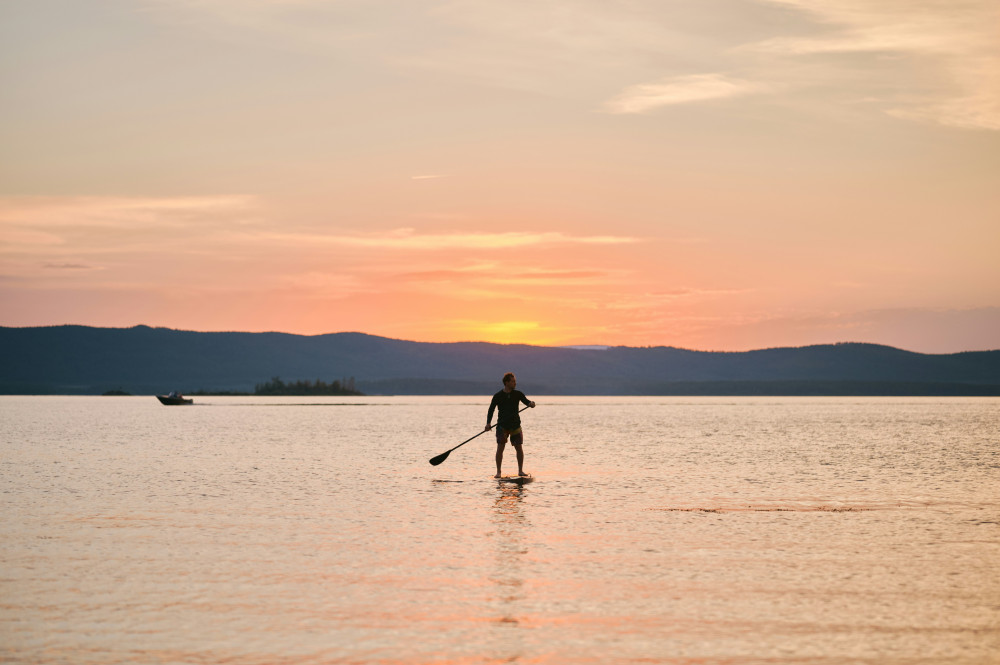
The best travel memories often come when you’re not rushing. A local festival you didn’t know about, a sunset you hadn’t planned to see, or a small-town fair you stumbled upon—these are the moments that make a journey unforgettable.
Travel with Curiosity
Traveling with freedom also means traveling with openness. Ask locals for tips, try unfamiliar foods, and don’t be afraid to change your mind along the way. Some of the most rewarding experiences happen when you let go of control and follow your curiosity.
If you’re traveling with others, talk about expectations beforehand. Some people thrive on structure, others on spontaneity. Finding a shared balance makes the trip smoother and more enjoyable for everyone.
When You Return Home
A trip that leaves room for the unexpected often gives you more than just memories—it gives you perspective. You learn to trust your instincts, handle uncertainty, and find joy in what can’t be planned. Those lessons last long after the journey ends.
So next time you pack your bags, remember: the perfect adventure is rarely perfectly planned.
Læs også: